


Mozambique
Coral reefs, magical coastlines and remote wilderness safaris
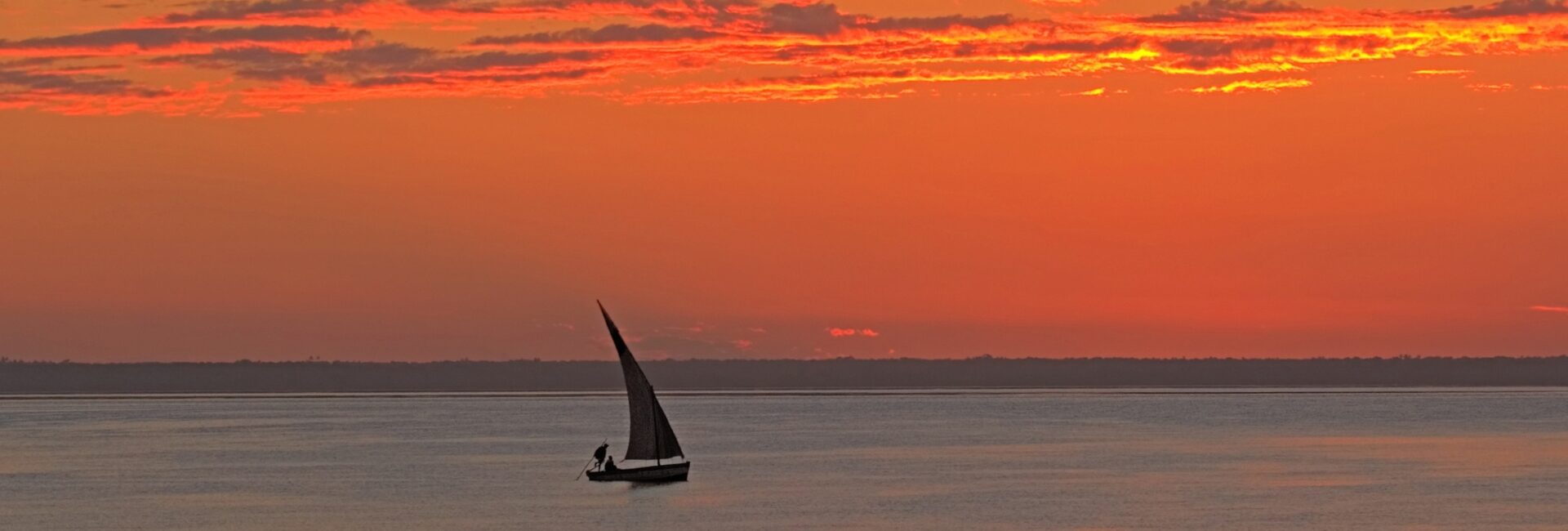
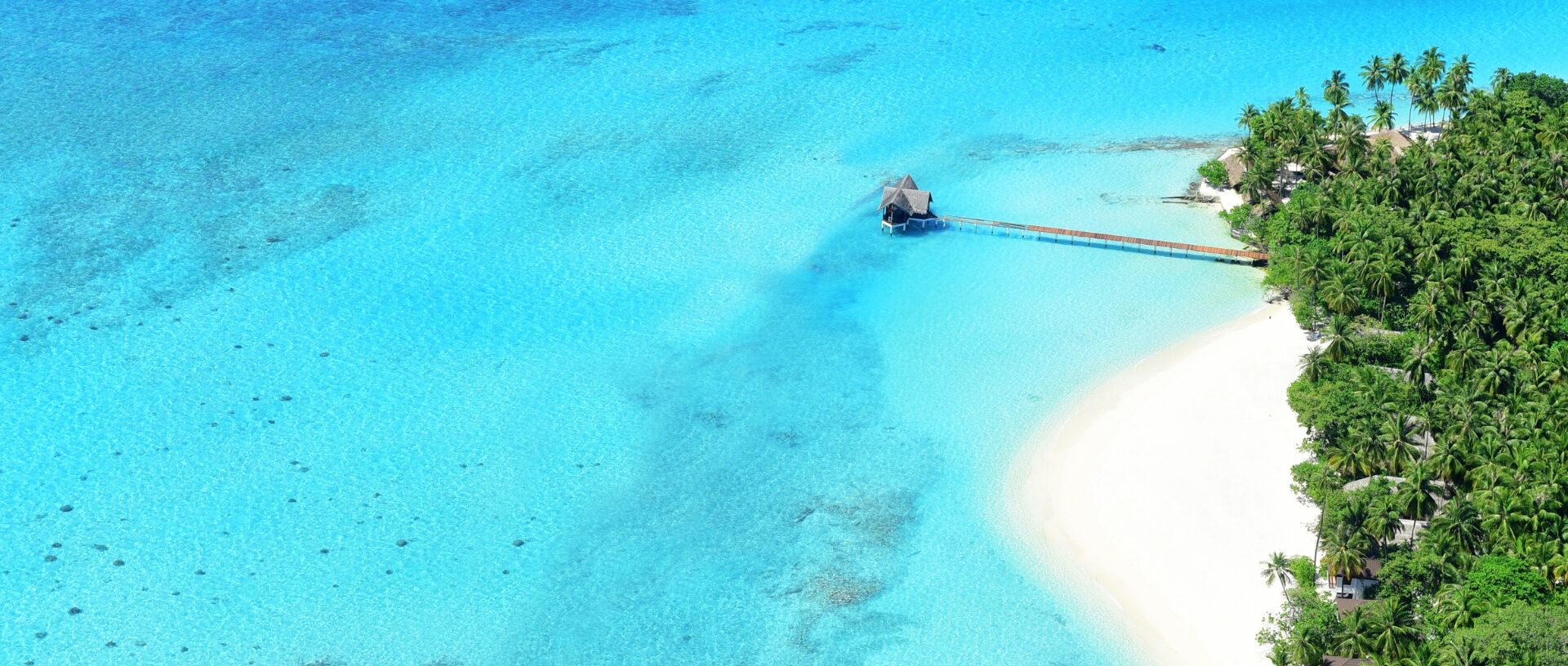
A land of dramatic contrasts, Mozambique stretches from the untamed interior of remote national parks to palm-fringed coastlines lapped by the turquoise waters of the Indian Ocean. After years of conflict, the country has quietly emerged as one of Southern Africa’s most enchanting and diverse destinations - still blissfully under-the-radar for most travelers. Mozambique offers a rare combination of exceptional safari and tropical beach escape. Inland, Gorongosa National Park is being hailed as one of the greatest wildlife restoration stories of our time, while along the coast, the Bazaruto and Quirimbas Archipelagos shimmer with unspoiled marine life, dhow sailing traditions, and barefoot island beauty. It’s a place where you can walk with lions in ancient fever tree forests by morning, and snorkel among coral reefs by afternoon.
From Adele
On Mozambique
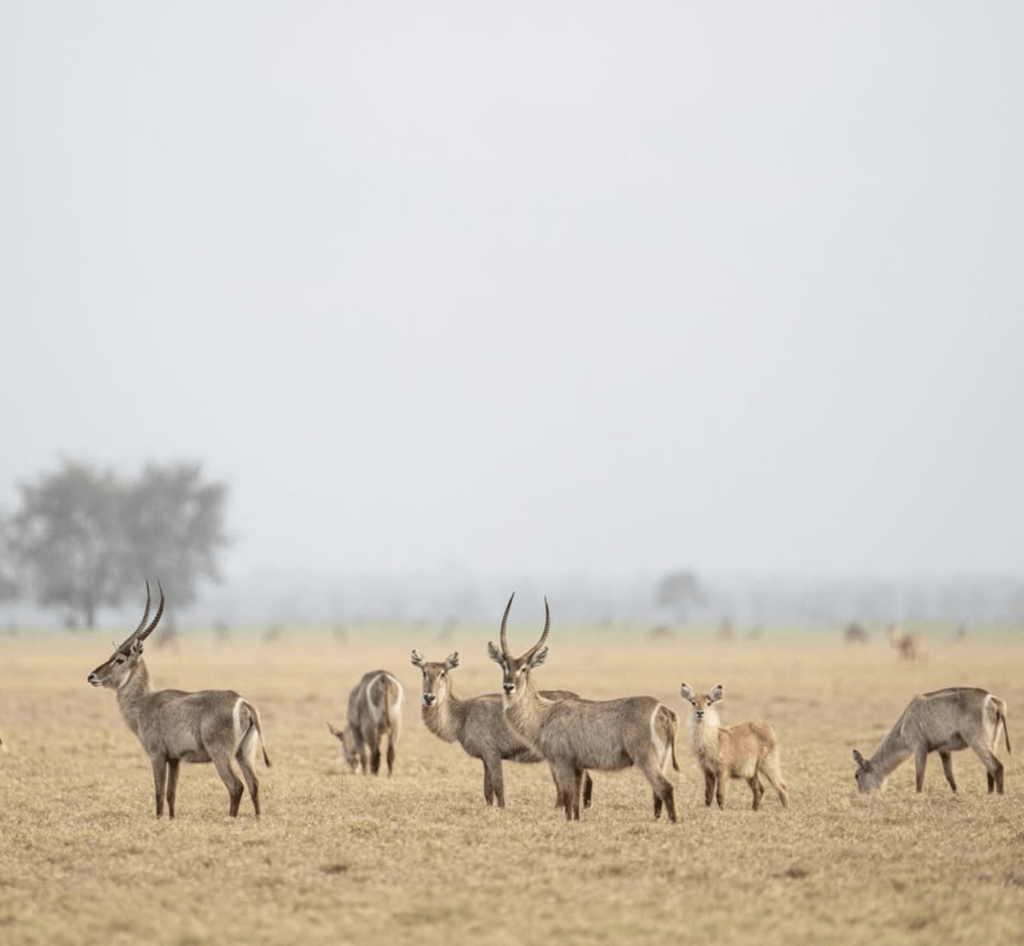
It’s like a magical setting from a fairytale. We are in Gorongosa National Park and the rains have started to fall, transforming the landscape into a watery world of floodplains and every shade of green. We’ve already spent time with lions playing on branches in a fever tree forest. Our guide and tracker stop on the open plains for some warm drinks. The sun is rising through the mist. I get out the vehicle and walk until the stillness surrounds me, turning in a slow 360 degrees to take in the sight of hundreds – if not thousands – of waterbuck spread across the plains.
Our Favourite Destinations in Mozambique
Bazaruto Archipelago
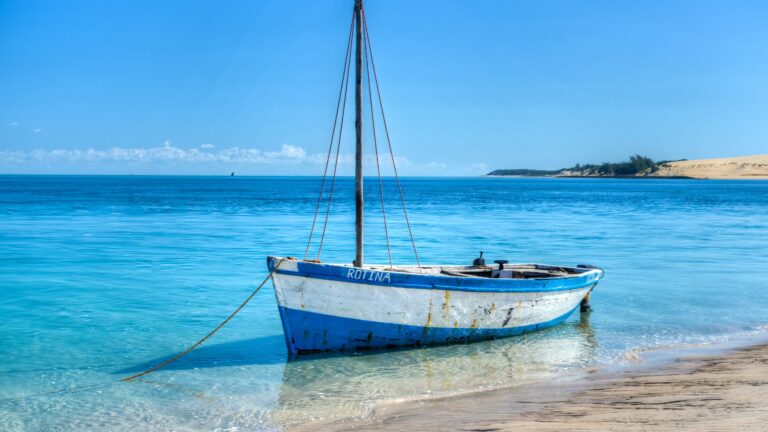
A string of idyllic islands off Mozambique’s southern coast, Bazaruto offers pristine beaches, crystal-clear waters, and one of the richest marine ecosystems in the Indian Ocean. Traditional dhow sails dot the horizon, and dugongs, dolphins, whale sharks, and vibrant coral reefs await below the surface.
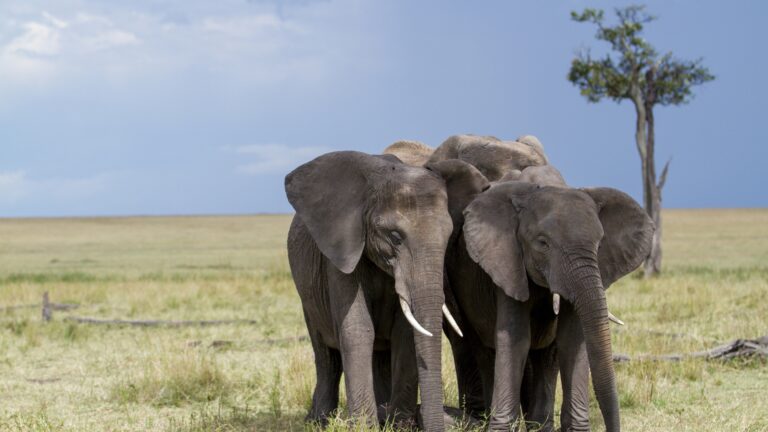
Gorongosa National Park
A conservation success story, Gorongosa is a lush, biodiverse paradise at the southern end of the Great Rift Valley. Once ravaged by civil war, the park has made a remarkable recovery and is now home to lions, elephants, wild dogs, hundreds of bird species, and vast herds of antelope. Explore fever tree forests, savannas, and wetlands with local guides committed to community-driven conservation.
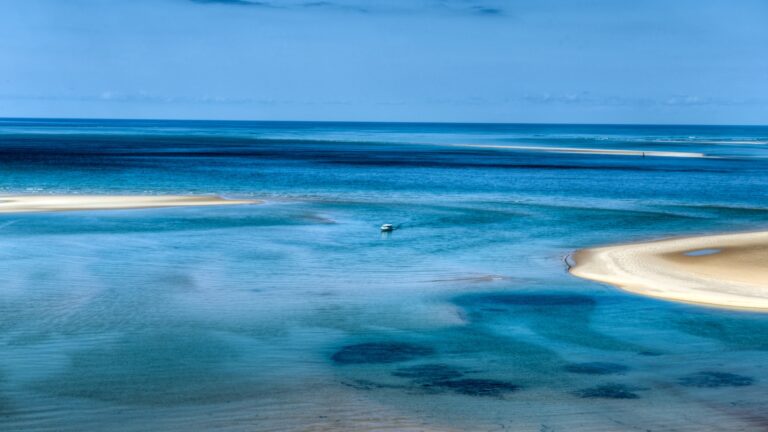
Quirimbas Archipelago
Further north, this remote chain of islands blends Swahili, Arab, and Portuguese influences with unspoiled nature and old-world charm. Expect barefoot luxury, mangrove-lined lagoons, sea kayaking, and warm hospitality in off-grid eco-lodges or restored colonial mansions.
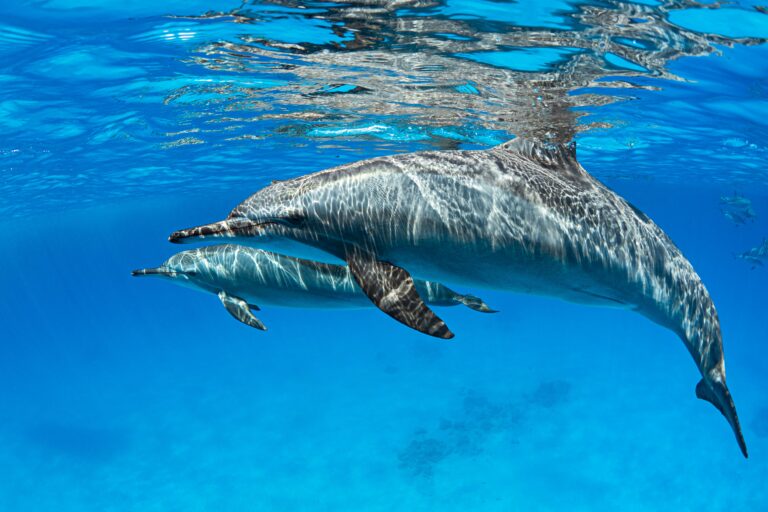
Ponta do Ouro Marine Reserve
In southern Mozambique, Ponta do Ouro is known for its golden beaches, rich marine life, and slow coastal charm. Part of a protected marine reserve, the area offers exceptional diving, dolphin encounters, seasonal whale migrations, and vibrant coral reefs.
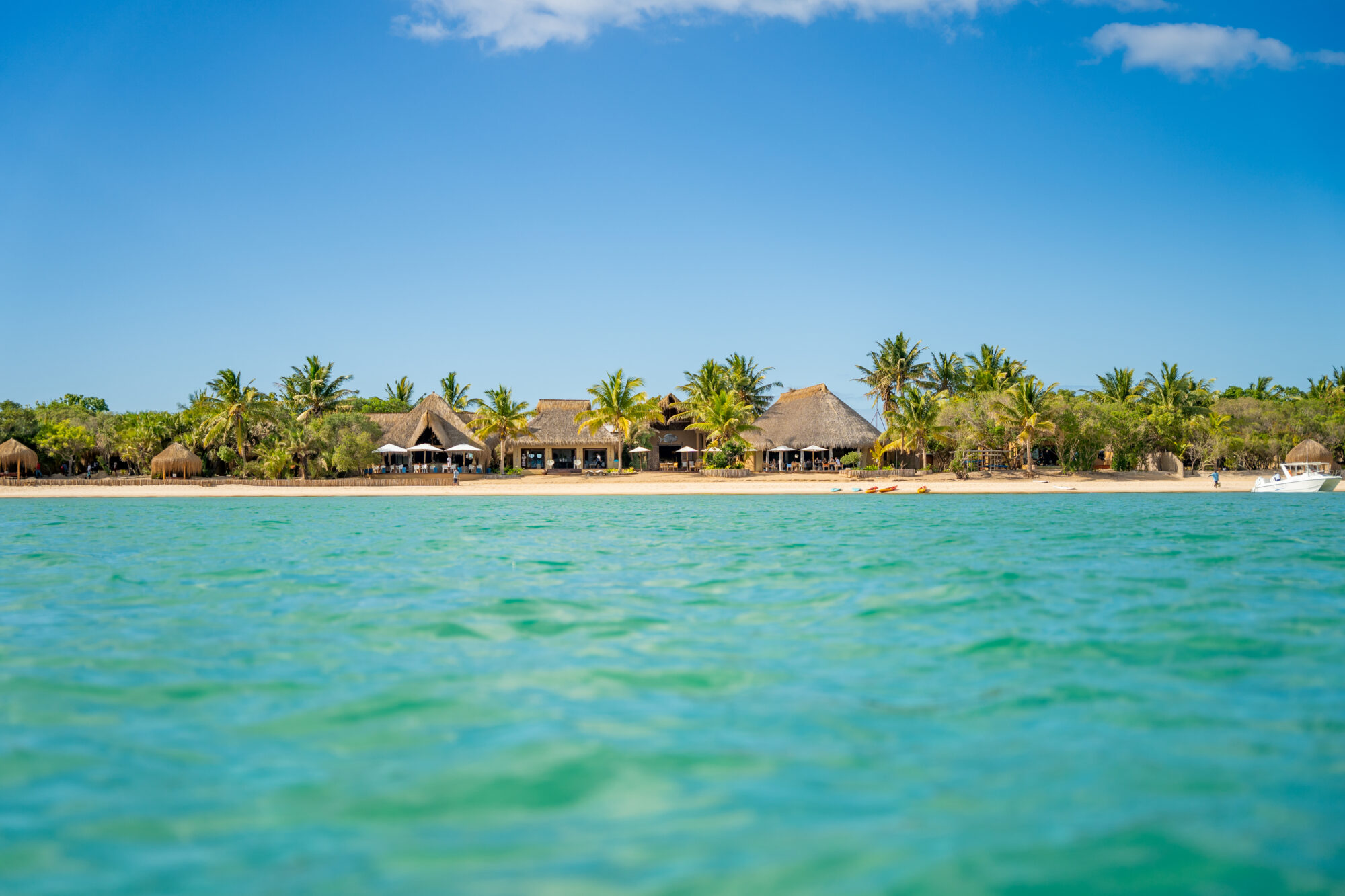
Azura Benguerra © Azura Retreats
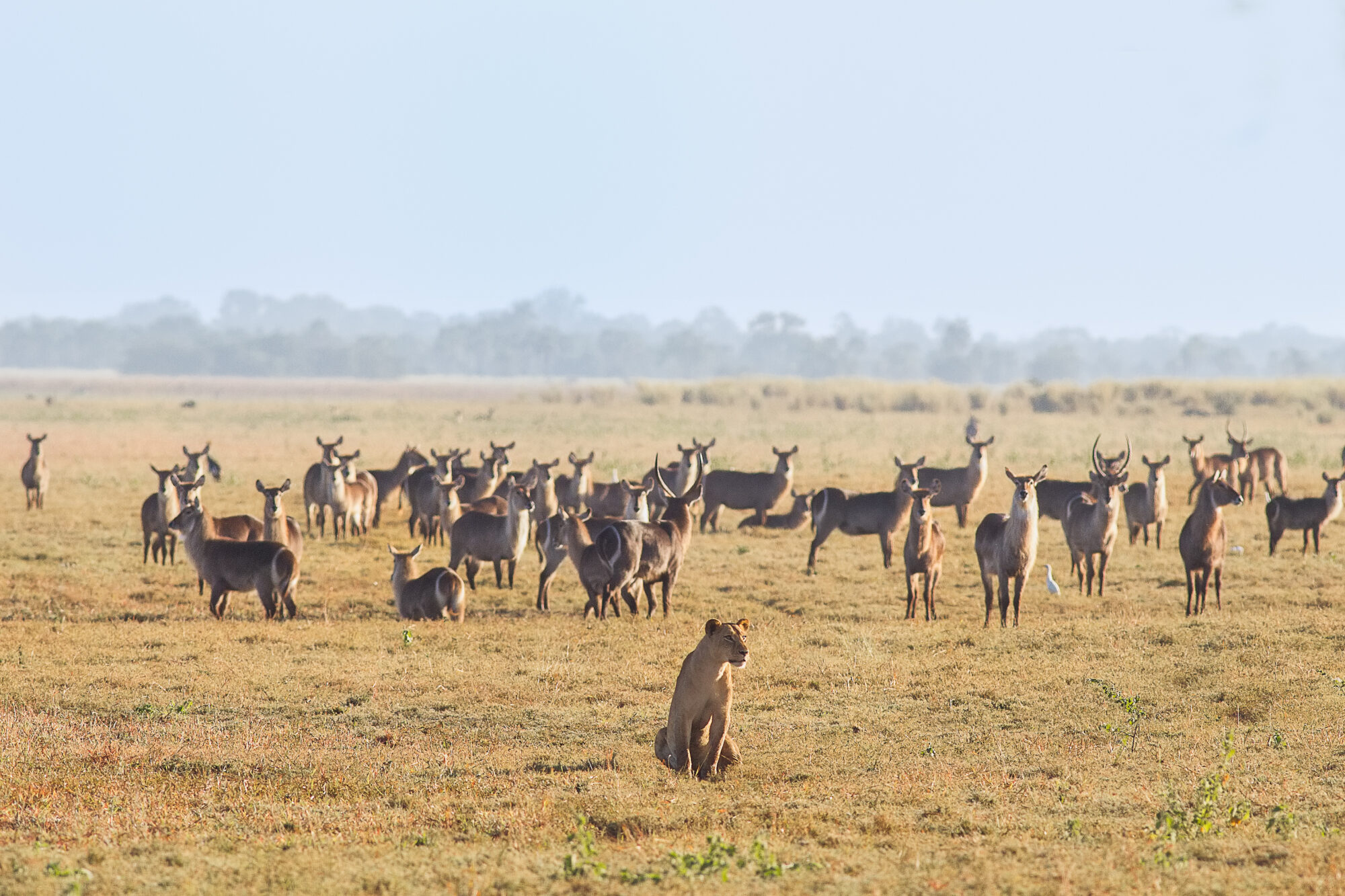
Explore Gorongosa National Park, one of Africa's Greatest Conservation stories © Gorongosa Safaris
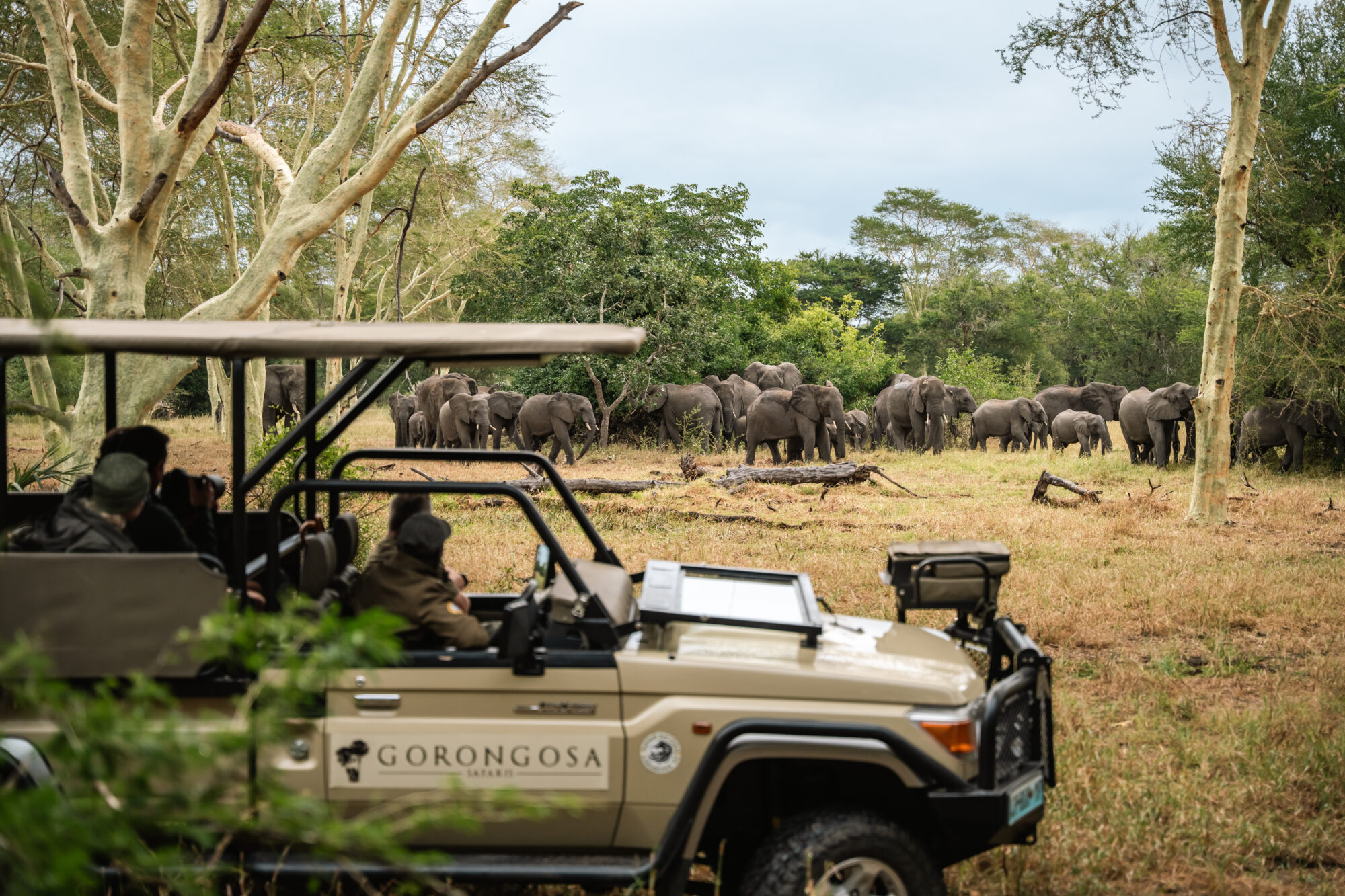
Game drives in Gorongosa © Gorongosa Safaris
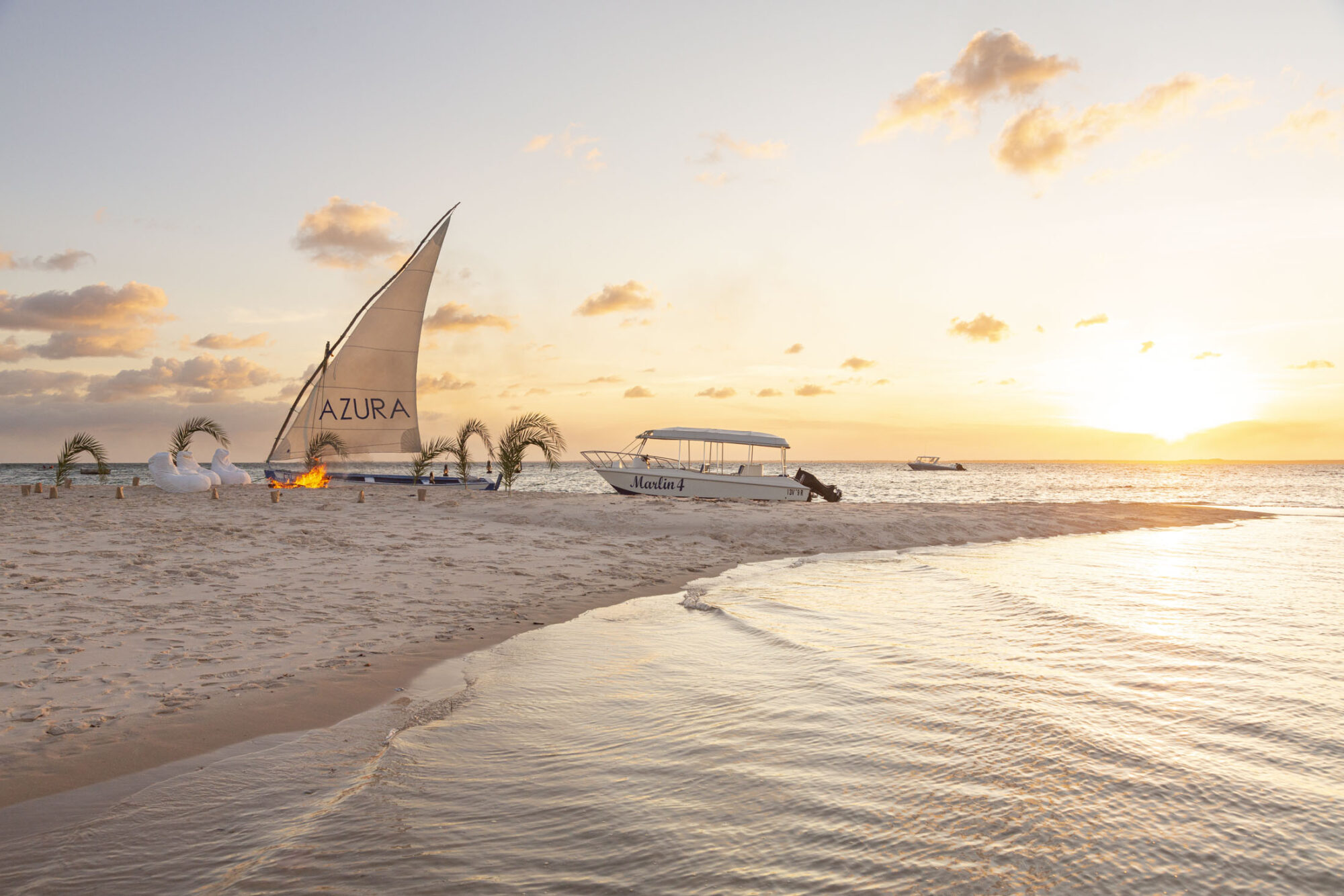
Take a boat trip to a picnic on a beach at Azura Retreats ©
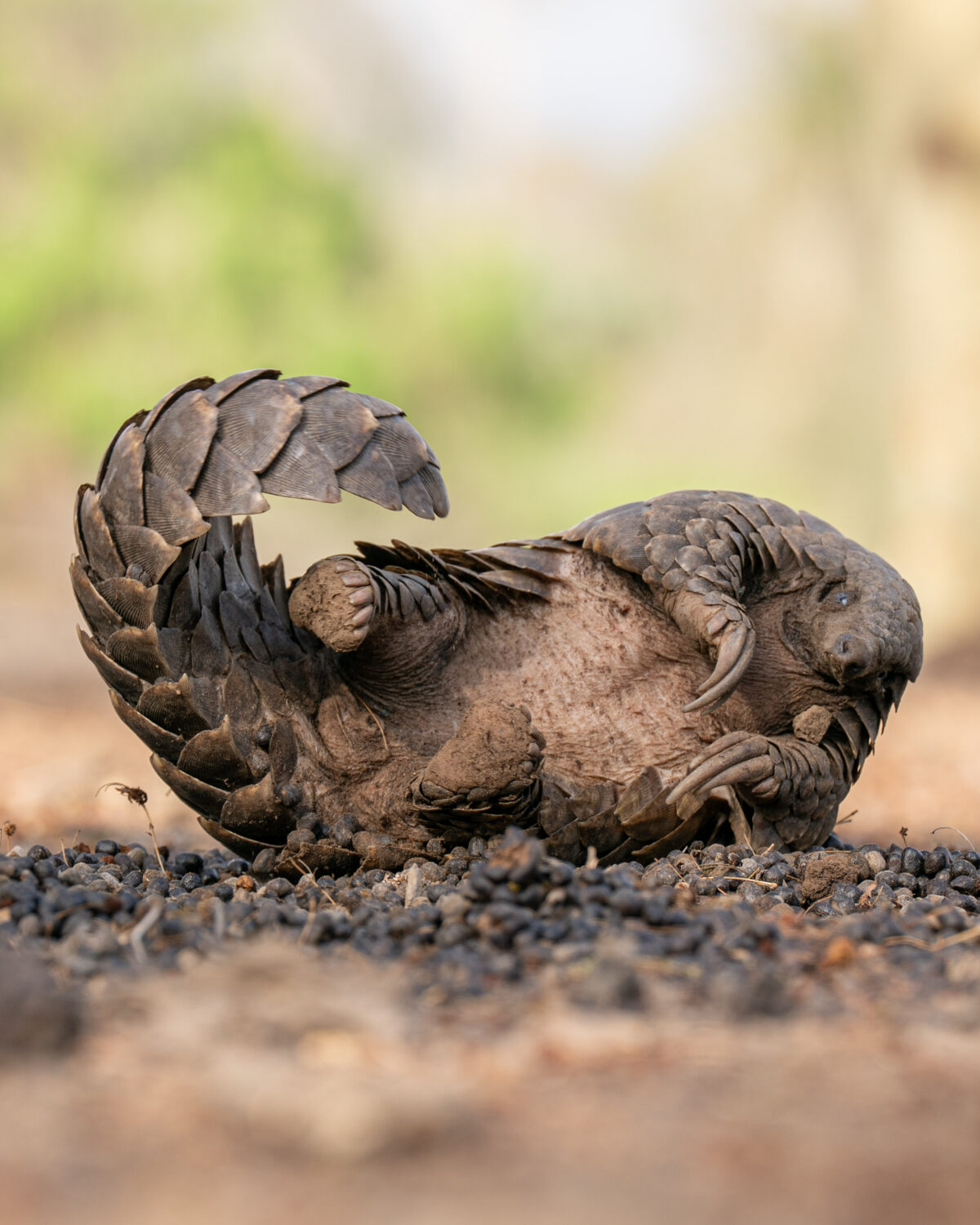
Learn about the endangered pangolins and their conservation at Gorongosa Safaris ©
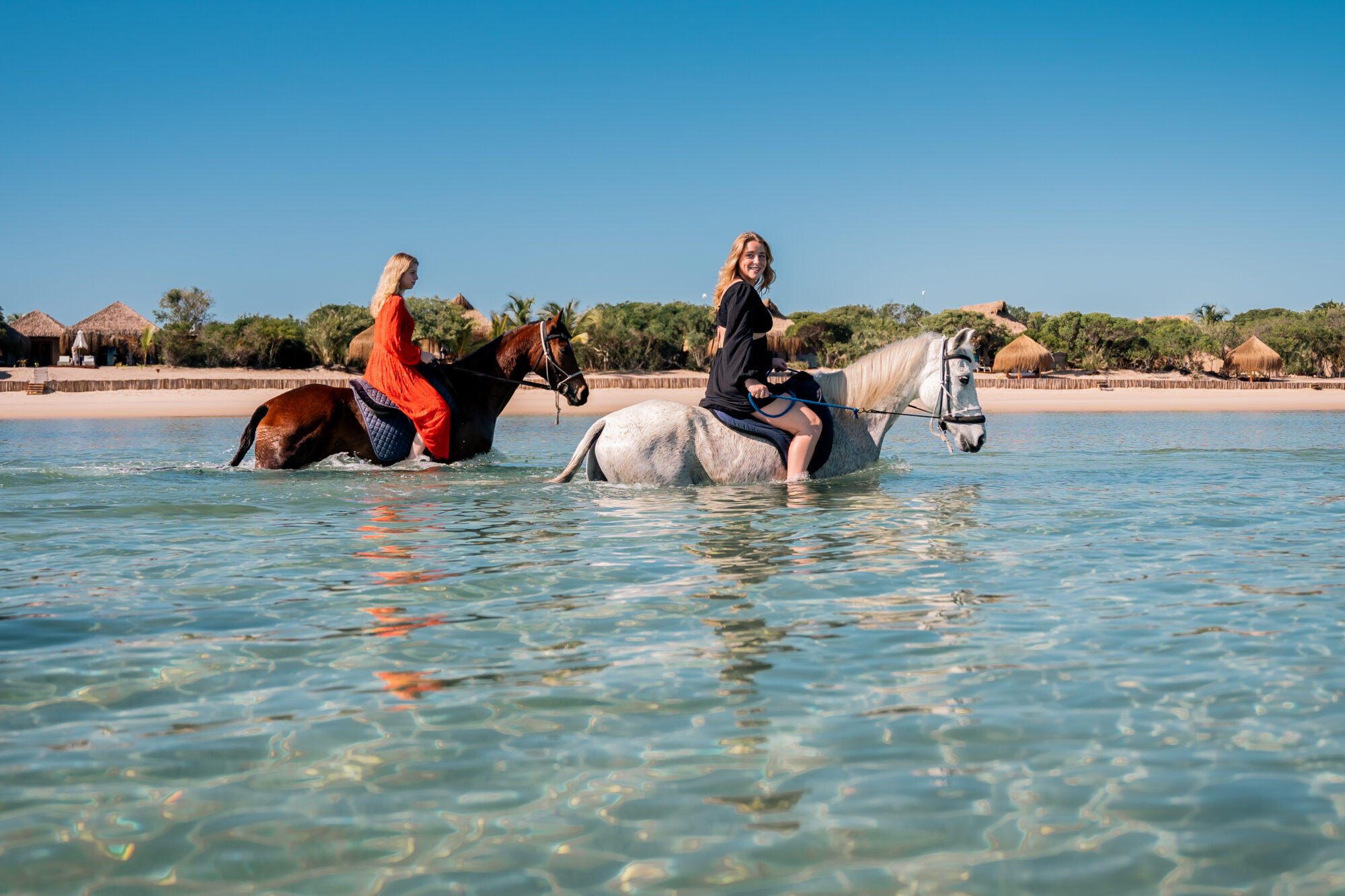
Horse ride in the crystal ocean waters at Azura Retreats ©
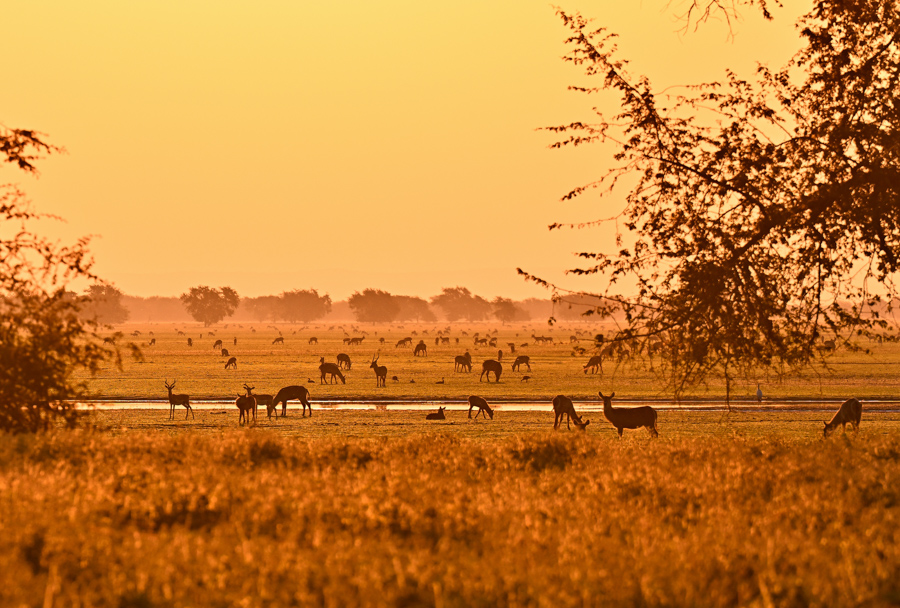
Immerse in stunning landscapes at Gorongosa Safaris ©
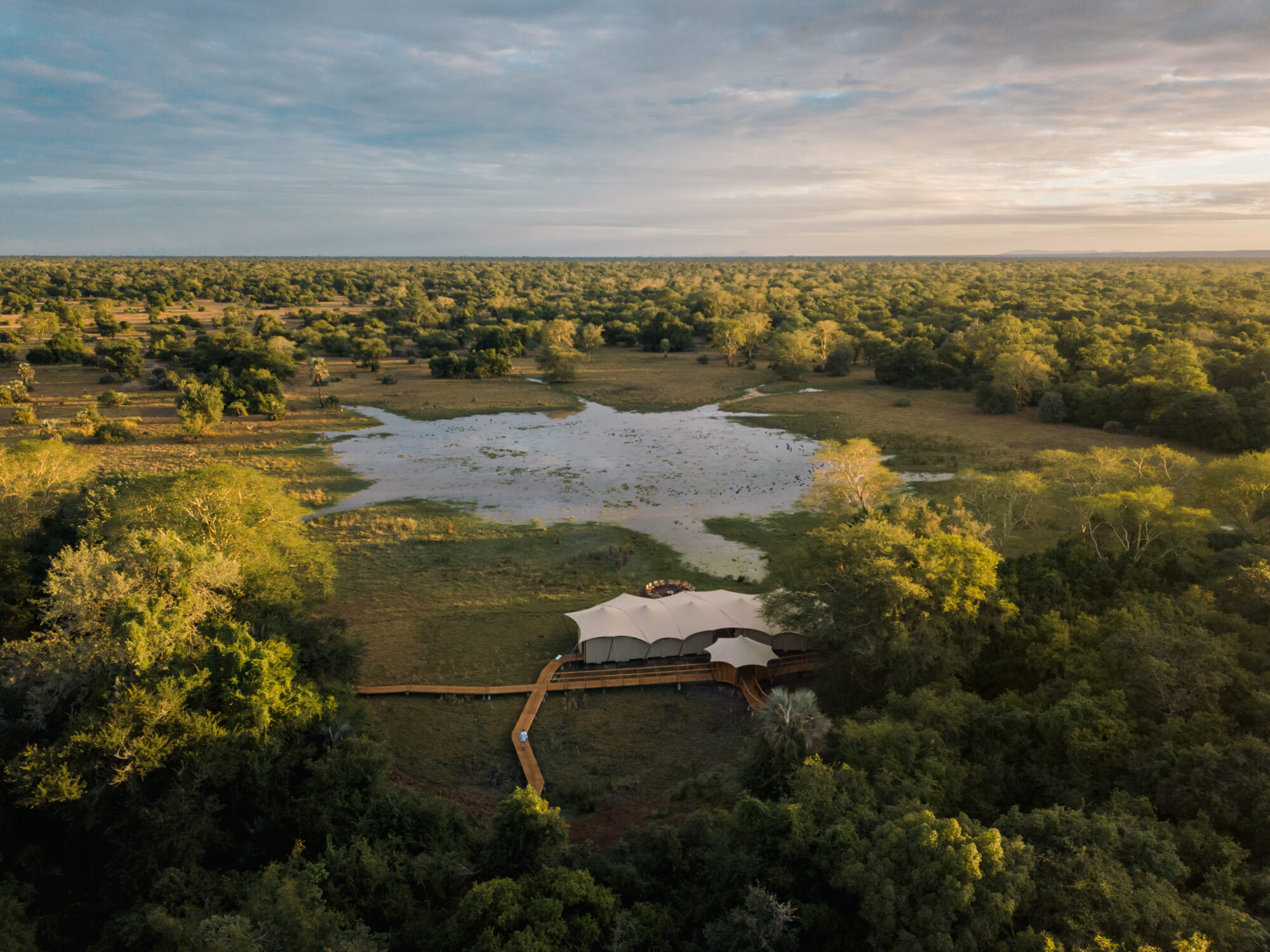
Chicari Camp © Gorongosa Safaris
Frequently Asked Questions
On Traveling to Mozambique
When is the best time to travel? -
The dry season from May to November is best for both safari and beach experiences, with cooler temperatures and clearer seas for diving and snorkeling. The green season (December to April) brings lush landscapes and occasional rains – beautiful for photography, but more limited access in remote parks like Gorongosa.
What is Mozambique known for? +
A blend of untamed wilderness and Indian Ocean magic. Mozambique is famous for its tropical islands, dhow culture, coral reefs, fresh seafood, and re-emerging national parks like Gorongosa.
Who should travel here? +
Travelers seeking something off the beaten track – a soulful blend of raw nature and island escape. Perfect for those who want to combine meaningful conservation-based safaris with cultural immersion and barefoot luxury on the beach.