





Tanzania
Tanzania evokes a sense of raw, untouched Africa - wide open plains, baobab-studded landscapes, and ancient volcanic calderas alive with wildlife.
Tanzania is home to some of the most iconic safari experiences in the world, from the great herds of the Serengeti to the lush rim of the Ngorongoro Crater, and the deep, forested heartlands where chimpanzees roam wild. The sheer scale and ecological diversity of Tanzania are staggering, offering travellers the chance to witness both the primal drama of predator and prey and the quiet magic of rainforest encounters. From Great Migration river crossings to slow days tracking leopards through palm-fringed riverbeds, Tanzania will be etched on your heart forever.
From Adele
On Tanzania
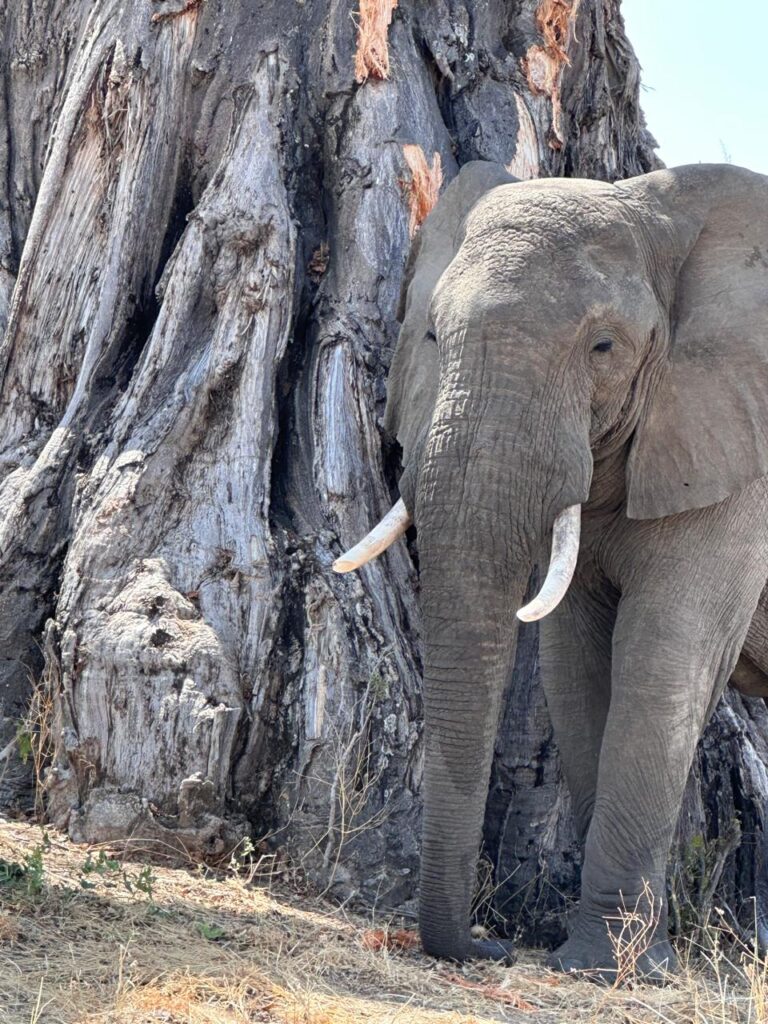
The elephant and the baobab stand together as if they are one, grey gnarled and ancient in a landscape filled with many of both. It’s siesta time and every once in a while the old bull peels off more bark from its companion for sustenance. I am in Ruaha National Park and time slows down here. Days are filled following winding tracks through groves of tall palm trees alongside dry riverbeds where the occasional pool of water stops us with the deafening sound of birdsong and a leopard moves away into the shadow of a giant boulder.
Our Favourite Destinations in Tanzania
Serengeti
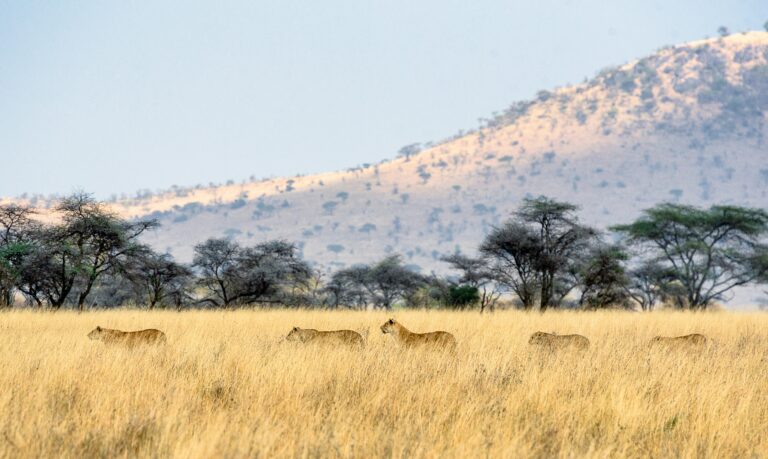
Tanzania’s most iconic destination and a UNESCO World Heritage Site, the Serengeti is best known for the Great Migration - the largest land-based migration on Earth. Over two million wildebeest and zebra move through its vast plains, pursued by predators in one of nature’s most dramatic spectacles. Game drives, hot air balloon safaris, and mobile camps bring travellers up close to this wild rhythm of life.
Ngorongoro Crater
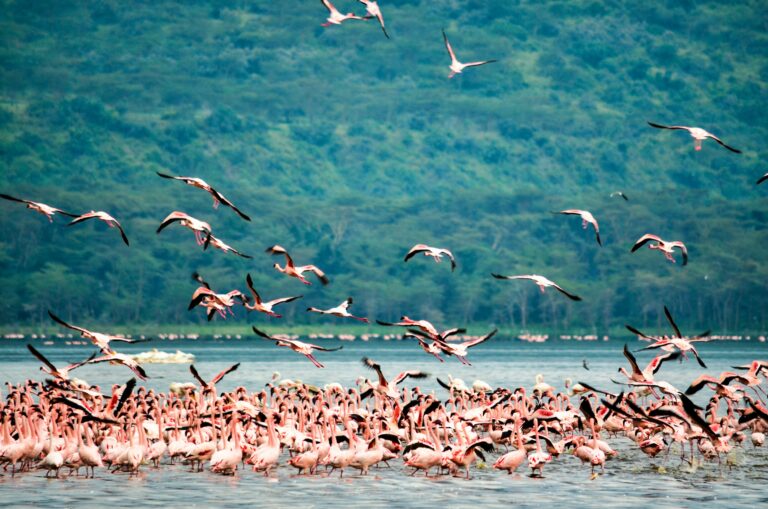
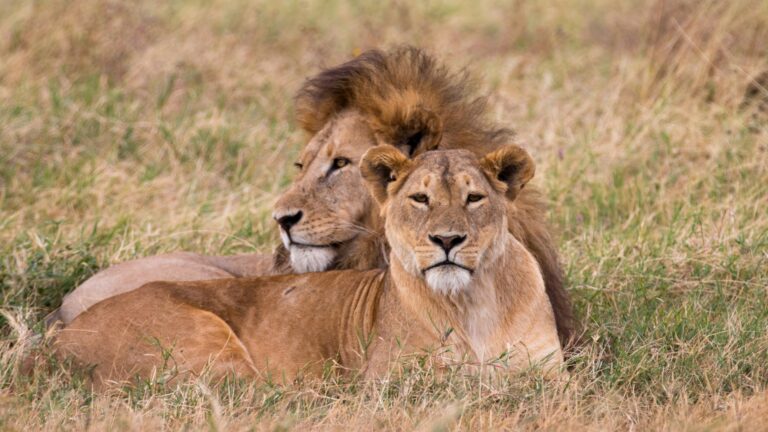
This ancient volcanic caldera, also UNESCO-listed, cradles an extraordinary concentration of wildlife within its verdant walls. Lions, rhinos, elephants, flamingos, and hyenas all coexist in this otherworldly ecosystem. The scenery is breathtaking - mist rising from the crater floor, emerald-green walls, and the feeling of entering an enclosed, timeless world.
Ruaha National Park
One of Tanzania’s best-kept secrets, Ruaha is vast, remote, and bursting with biodiversity. It’s home to large elephant herds, rare antelope species, and a high density of big cats. The landscapes here are rugged and soulful… think rocky outcrops, baobabs, and dry riverbeds lined with palms. Walking safaris, fly camping, and intimate lodges make this a wild, off-the-beaten-path gem.

Lake Tanganyika & Gombe Mountains
For those seeking something truly different, head west to the shores of Lake Tanganyika - the longest freshwater lake in the world. In the forested mountains of Gombe and Mahale, you can track wild chimpanzees on foot and soak up the serenity of white sand beaches and clear, tropical waters. This is one of the few places on Earth to experience both primate trekking and lakeside relaxation in one journey.
Nyerere National Park
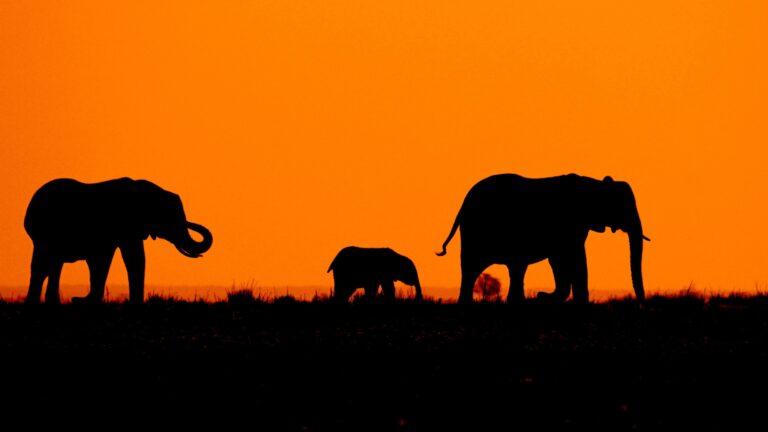
This vast wilderness of rivers, lakes, and open plains is one of Africa’s largest protected areas. Boat safaris, walking safaris, and game drives reveal an abundance of elephants, wild dogs, hippos, and crocodiles. It’s ideal for those seeking variety, adventure, and fewer crowds than the northern circuit.
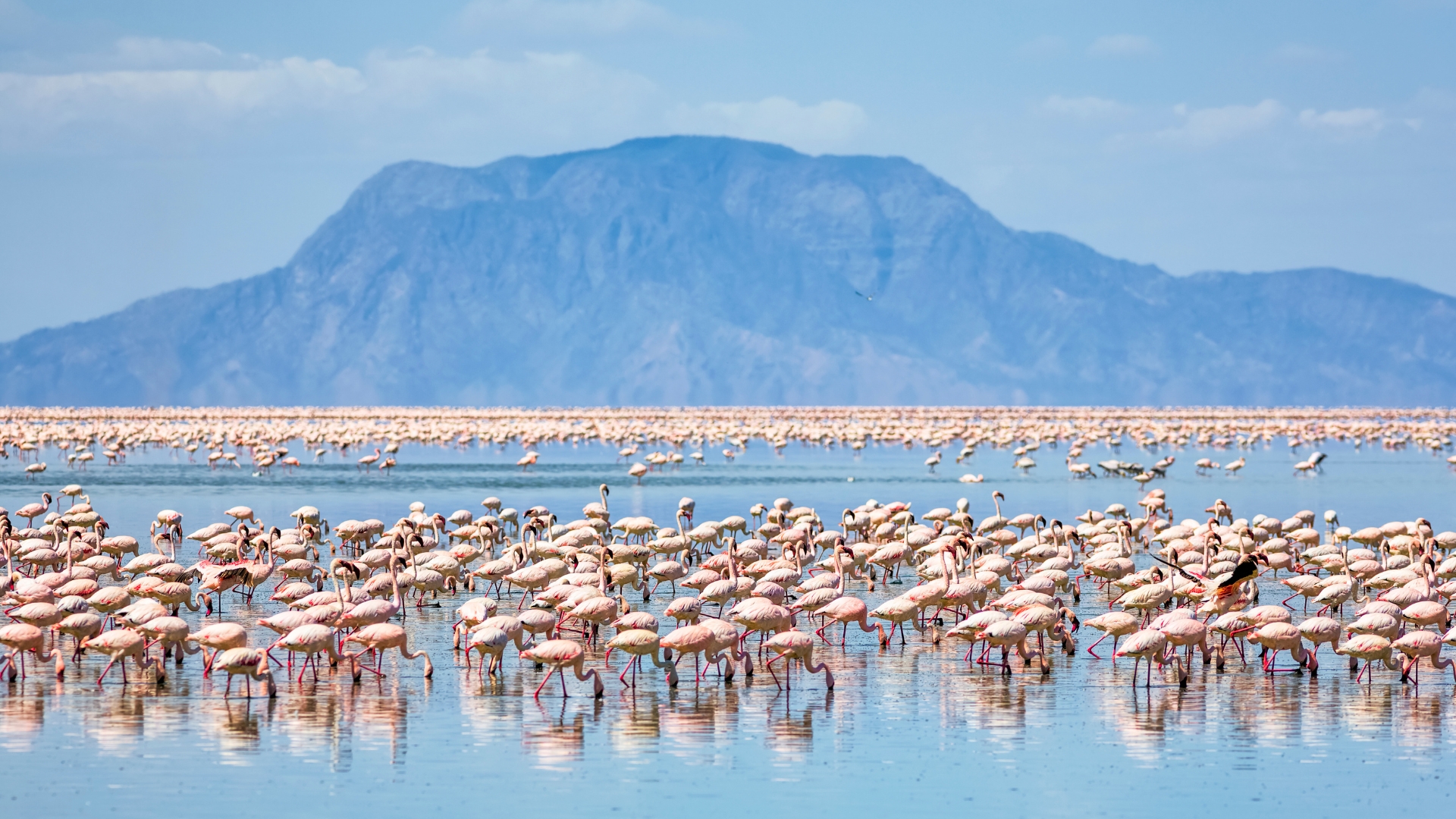
Flamingos at Ngorongoro Crater
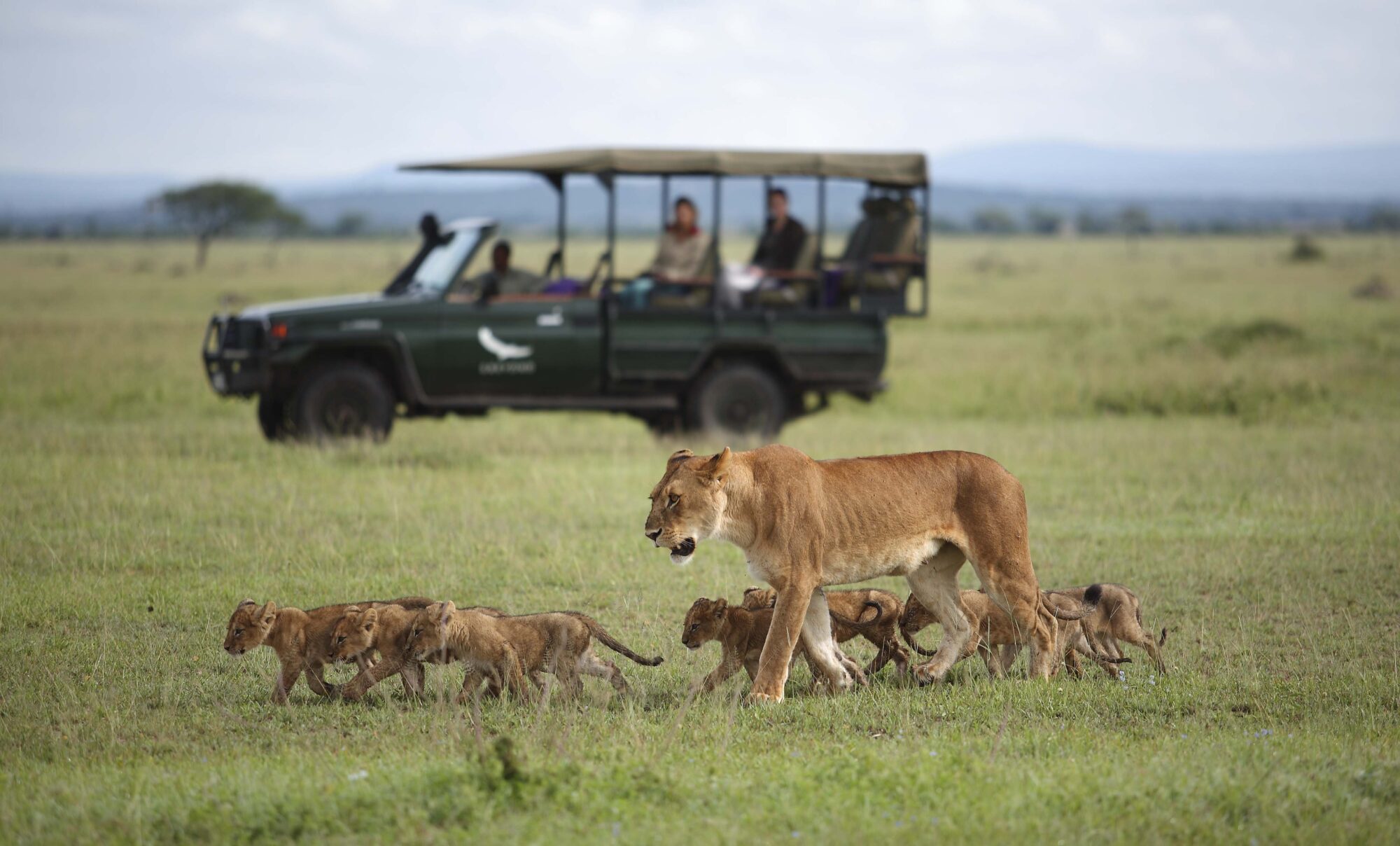
A lioness with her cubs in the Serengeti © &Beyond
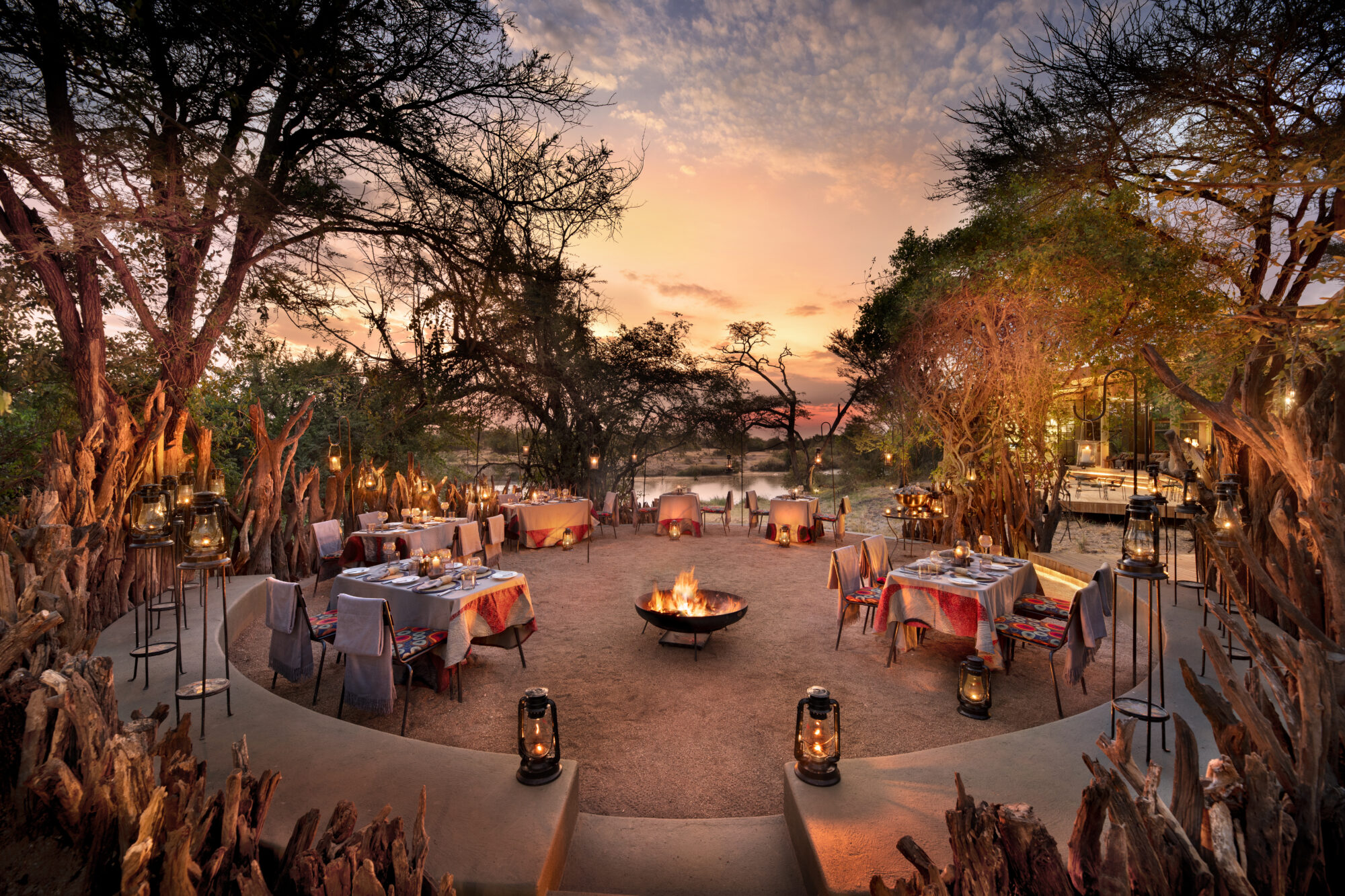
Candlelit bomb dinner at Grumeti Serengeti River Lodge © &Beyond
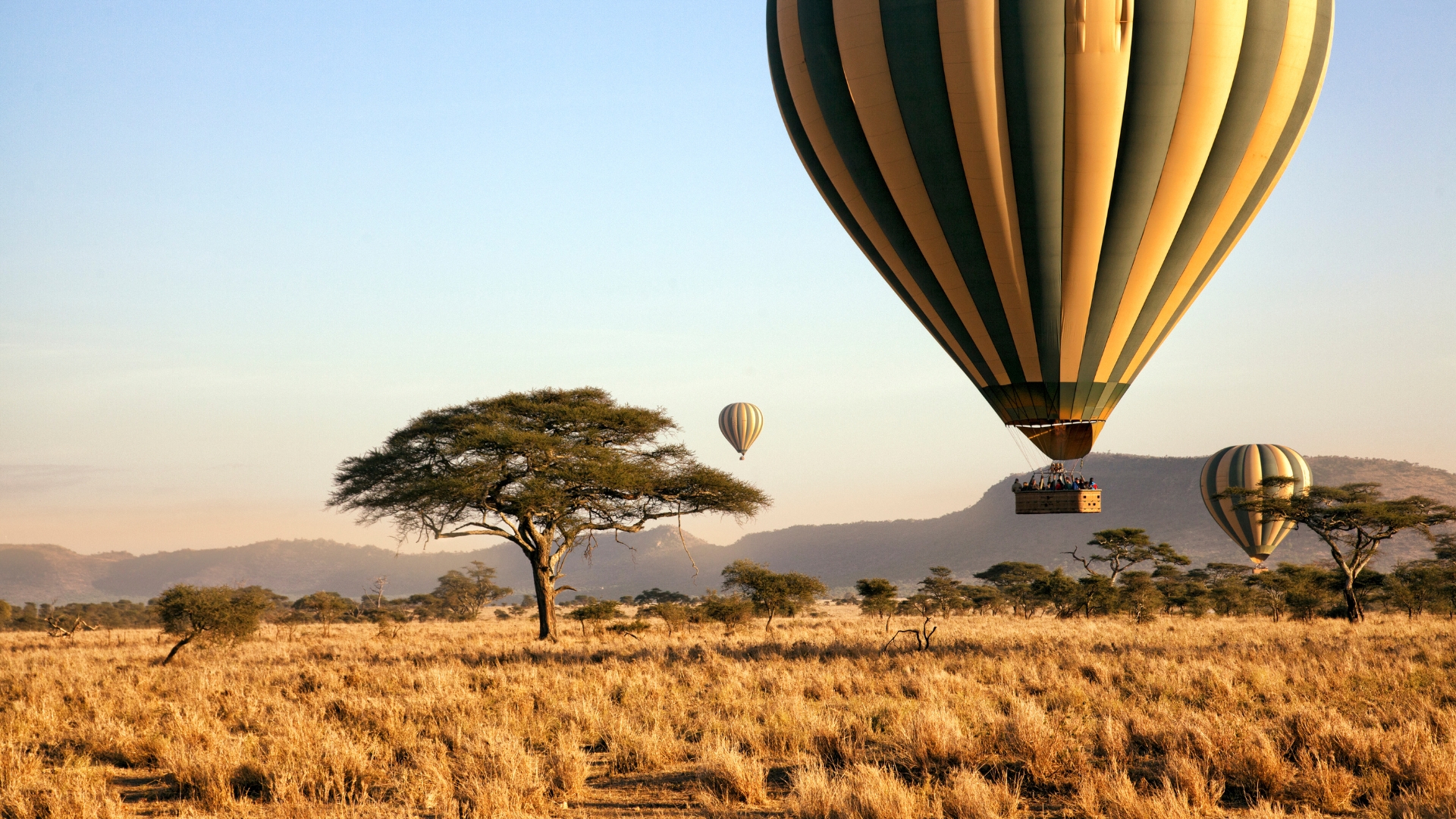
Hot air ballooning over the plains
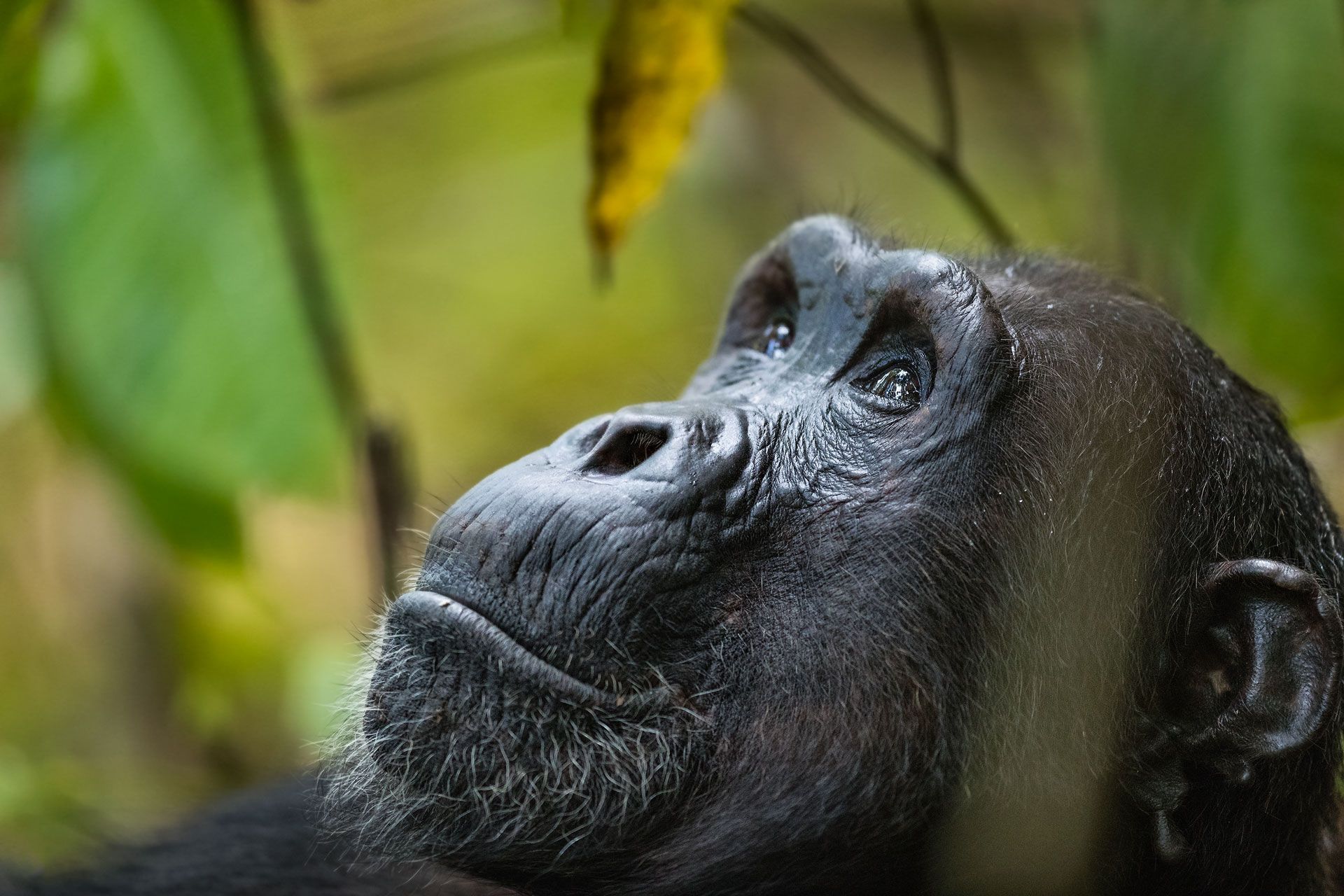
Visit the chimpanzees of Mahale © Nomad Tanzania
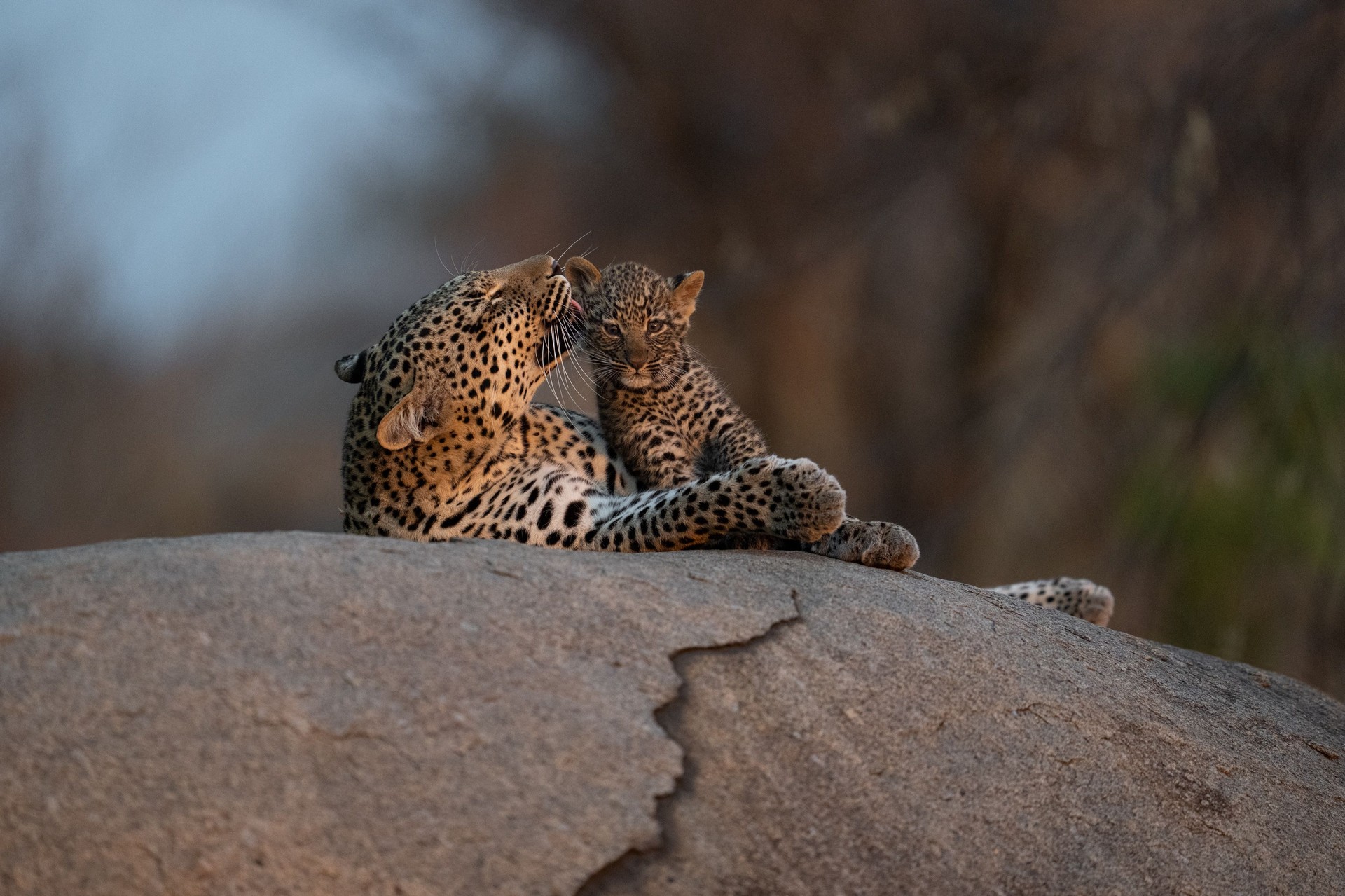
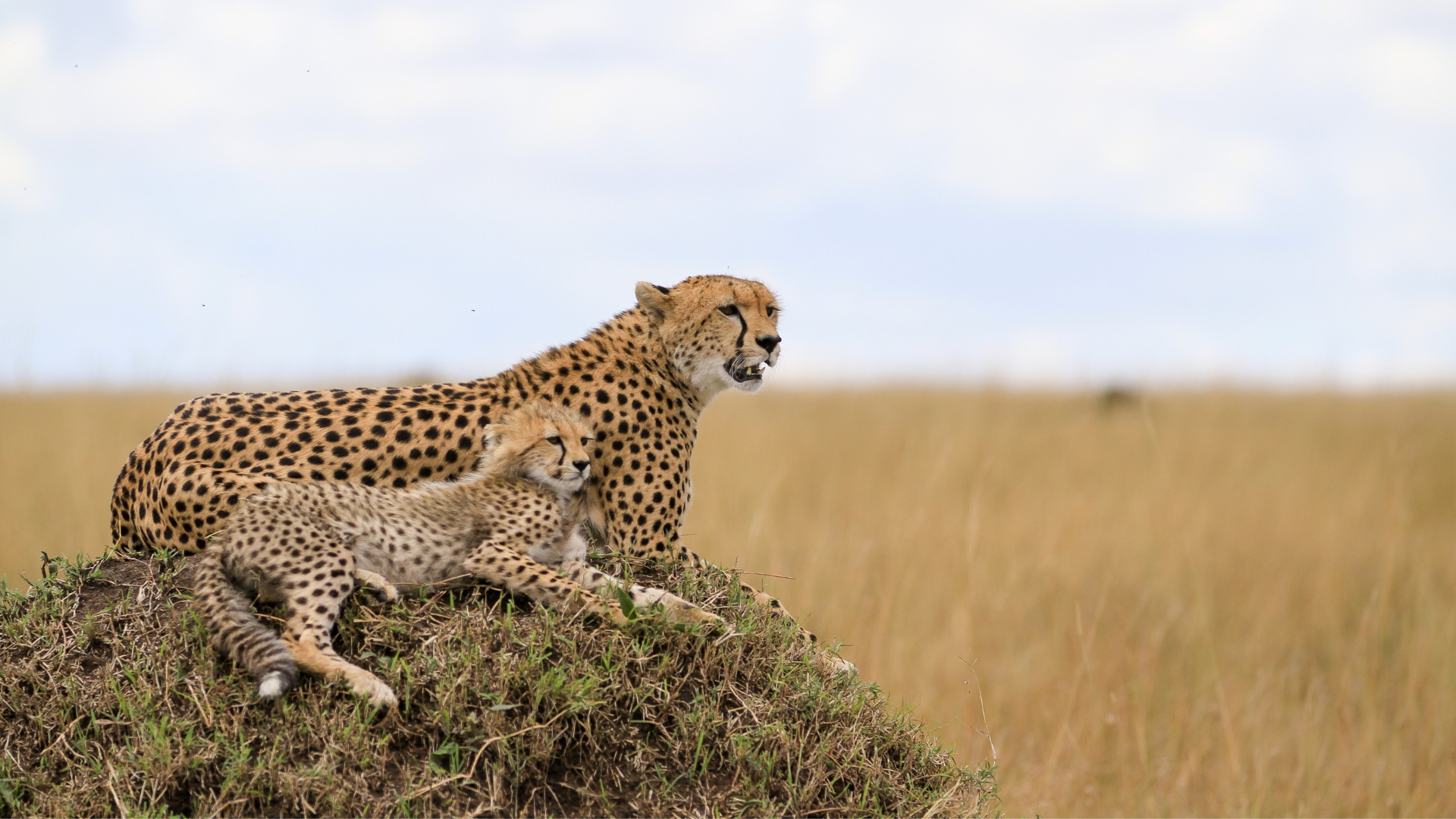
A leopard with her cub © Nomad Tanzania
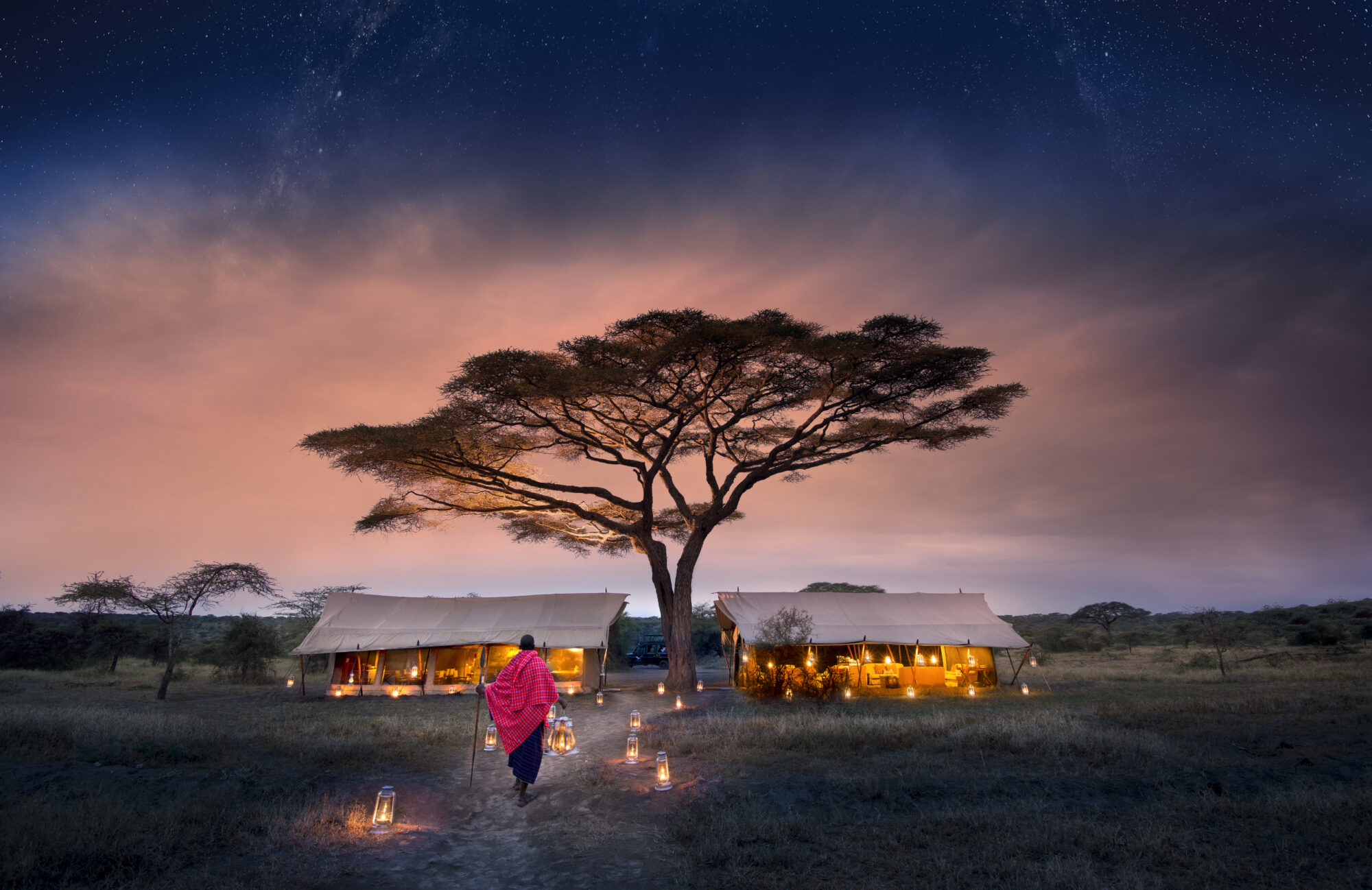
Experience the Serengeti under canvas © &Beyond
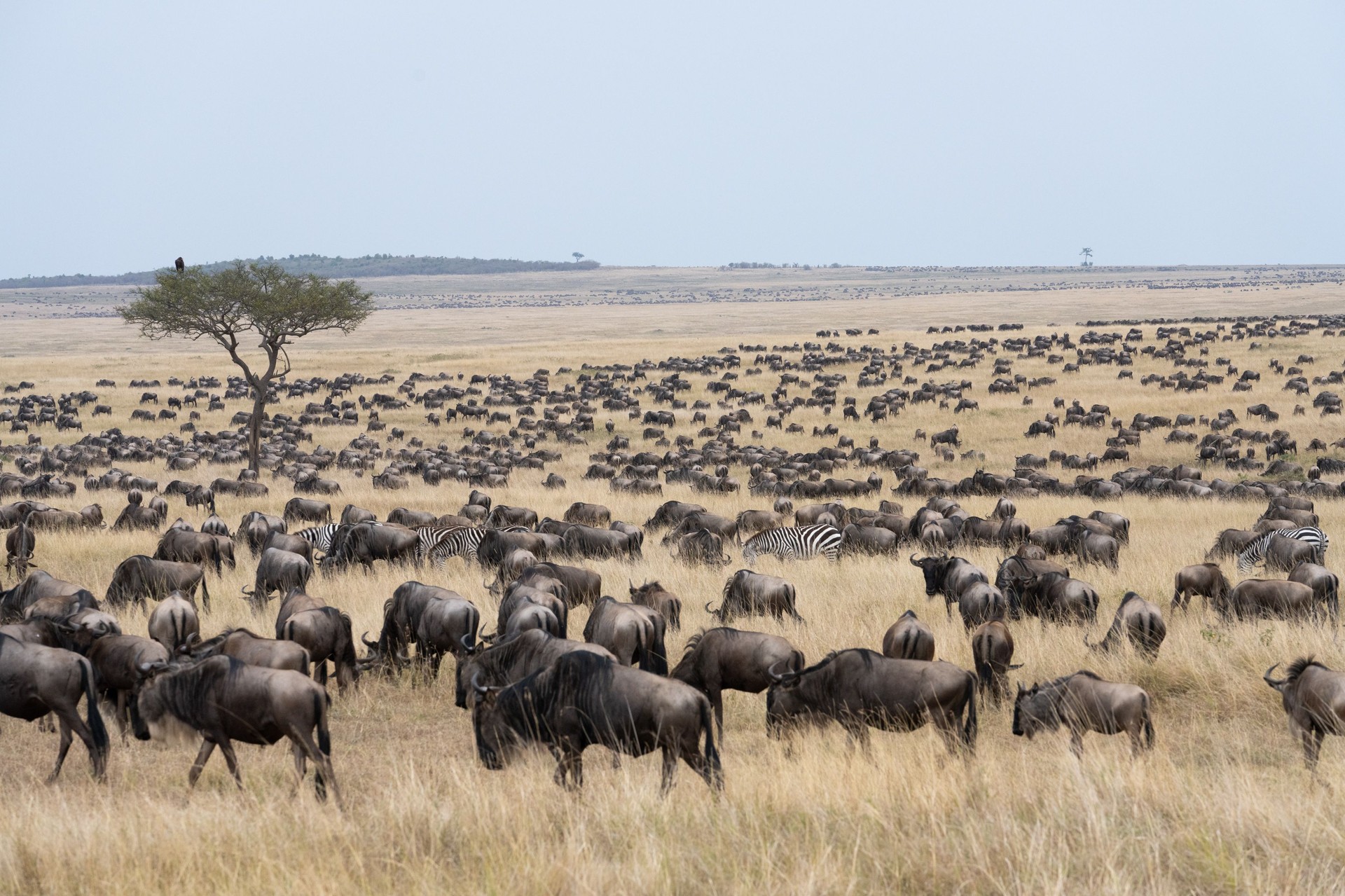
Herds of wildebeest as far as the eye can see © Nomad Tanzania
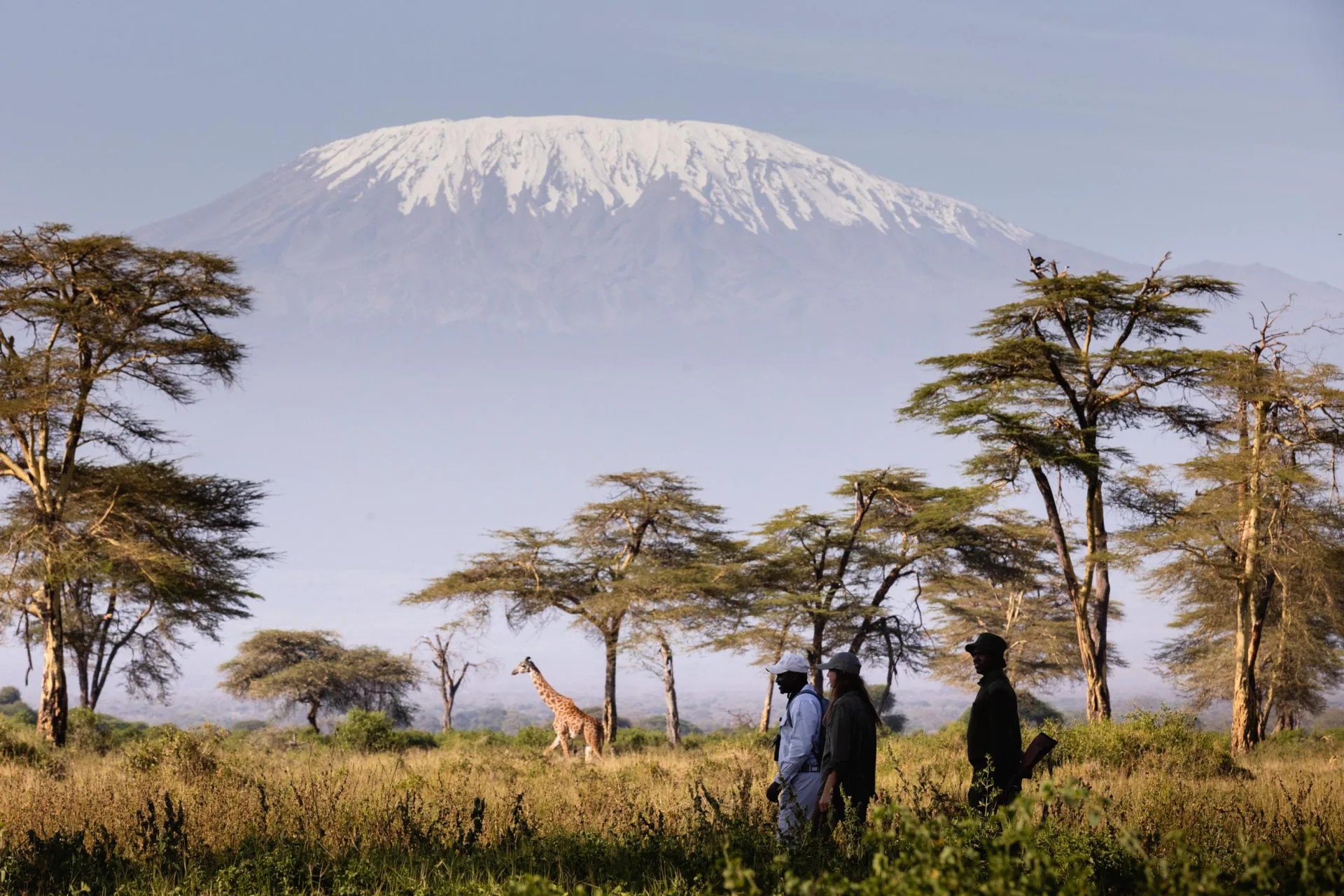
Agama Amboseli © Nomad Tanzania
Frequently Asked Questions
On Traveling to Tanzania
When is the best time to travel? -
Tanzania is a year-round destination, but timing depends on your interests.
-
- Best for the Great Migration river crossings: July to October (northern Serengeti)
- Calving season: January to March (southern Serengeti)
- Best for chimpanzee trekking: Dry season from June to October
- Best for beach extensions (Zanzibar or lakes): June to October, and December to February.
Rainy seasons are April–May (long rains) and November (short rains), but can offer lush scenery and fewer tourists.
What is Tanzania known for? +
The Great Migration, Mount Kilimanjaro, Ngorongoro Crater, baobab trees, chimpanzees, and the diversity of its wildlife habitats – from savannah to rainforest to coast.
Who should travel here? +
Tanzania is for those who want to feel deeply immersed in the natural world. Whether it’s witnessing one of Earth’s great wildlife phenomena, tracking chimpanzees through tangled jungle, or drifting through silence in a remote corner of the bush – this is for the traveller who seeks awe, wilderness, and perspective.

